Last year's figures have just been processed, and new, ambitious projects are already lined up for the beginning of the year. It is therefore worth taking a closer look at some areas, or rather (business) processes, within the company.
The basic (business) processes of a company are invoice verification, document management, and control over all incoming information. These three processes support the desired smooth running of the company.
A company's cash flow is a particularly important lever for efficiency. No company should hesitate to digitize this area in order to avoid errors, maintain security, and reduce the workload on employees.
Accounts payable process – intelligent and digital with ISR Accounts Payable Flow
Auditing can either speed up or slow down internal and external processes. Speed is essential here, but only if all procedures are absolutely correct. Fast and thorough processing can only be achieved through automation. Approval authorizations, cash discount periods, and regular reporting can stand in the way of this. These hurdles can be overcome with smart invoicing solutions such as ISR Accounts Payable Flow.
Intelligent invoice verification has several facets, depending on its tasks. With AP Flow, orders and deliveries are automatically reconciled and any discrepancies are identified immediately. Other disruptive factors and routine checks, such as sales tax verification (UstG. §14), can also be handled automatically. This is made possible by intelligent algorithms that can recognize and assign accounts and cost centers. Approval processes can be handled automatically up to a self-defined limit. This means that human intervention is no longer necessary for standard billing.
In addition to digitizing invoice verification, it is also possible to digitize invoice documents and thus subsequently digitize their documentation, storage, and retrievability. Buildsimple starts at the beginning of the business process by extracting and indexing information from invoice documents, for example. (This is part of the area of input management, which will be discussed further below.) Data from incoming invoices is processed so that it can be checked by AP Flow, for example. Transparency is a driving force, especially in accounting. That is why AP Flow is able to generate automatic reports. Not only are detailed sheets in CSV format calculated, but simple and clear graphical summaries are also constructed.
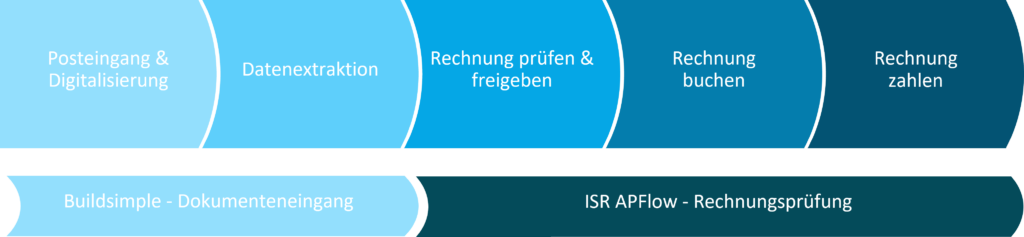
Figure 1: Invoice processing – an overview of the digital process | isr.de
Here is a summary of all the advantages of ISR AP Flow:
- Automated testing
- AI-driven
- invoice entry
- Overview of permissions
- Ad hoc reporting
- compliance
Manage processes with digital files
Information flows through companies via all kinds of documents. They trigger relevant (business) processes and carry valuable data about customers, sales, performance, and much more. It is therefore crucial to be able to extract value from the information collected. So how does a document reach its destination? Who has access to which documents? How can different files be handled correctly? This can only be achieved with digital support.
The so-called digital file creates a space in which invoices, contacts, briefings, contracts, and customer information are optimally organized. Order and findability provide an overview of the documents. All authorized persons have access to all the documents they need at any time without having to open a single paper folder. This avoids duplicate files and makes the current processing status visible. In addition, the DMS can trigger various business processes by distinguishing between contract, personnel, or project files, for example.
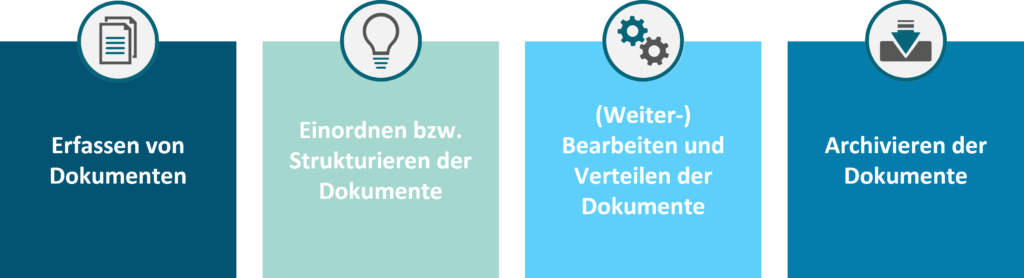
Figure 2: Features of a document management system | isr.de
Here is a summary of all the advantages of a DMS:
- Central storage location
- Individual access permissions
- Access anytime, anywhere
- retrievability
- Avoiding duplication
- Paperless
- Compliance with the GDPR
- Data-driven decisions
- Automation of documentation processes
The kick-off for all processes: input management
How does information enter a company? In addition to active efforts to collect data (newsletters, contact forms, surveys), there is a never-ending stream of input into a company. Invoices, orders, complaints, inquiries, confirmations, and cancellations flood the inbox of all channels. Not only the diversity of the content, but also the type of submission poses a problem here. Analog mail, email, social media DMs, phone calls, and web forms are each their own aggregate state of information. They must be regulated accordingly on an individual basis. Its position at the "beginning" of a process's data processing gives input management a special value. This allows you to work with sorted, usable information from the ground up.
The problem to be solved is therefore the conversion of information from various sources into machine-readable formats. The most obvious way to do this is using OCR (optical character recognition) software. This software makes it possible to extract data from raster graphics such as .jpg or .png files. Invoice numbers or addresses are recognized as such. This makes the document placed on the scanner compatible and ready for transfer to other interfaces. In addition to the physical mailbox, all other mailboxes, such as e-mail, can be processed in the same way.
In the second step of the input process, the information begins its journey through the company. Receipts or other documents that need to be retained can be stored permanently and in an audit-proof manner. However, invoices or orders , however, require action within the company in addition to being filed. Input management is therefore able to initiate workflows and forward data to the right contact person.
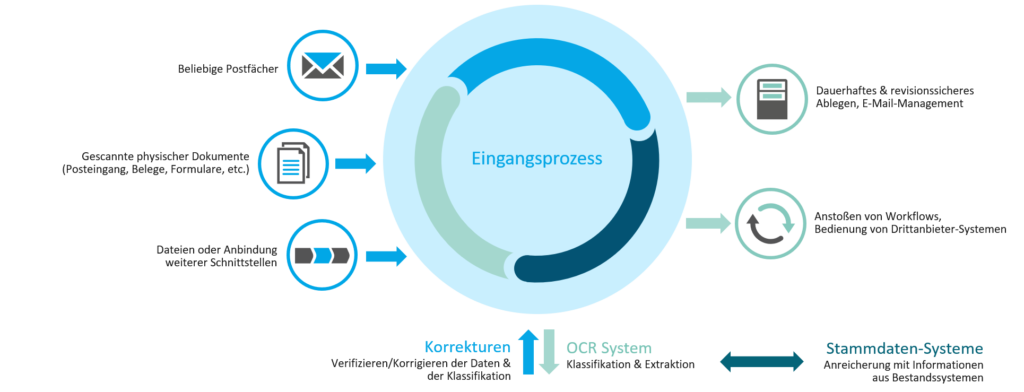
Figure 3: The input process in Input Management | isr.de
Here is a summary of all the advantages of input management:
- Saving time and money
- efficiency
- response time
- Data Security
- High precision and extraction rates
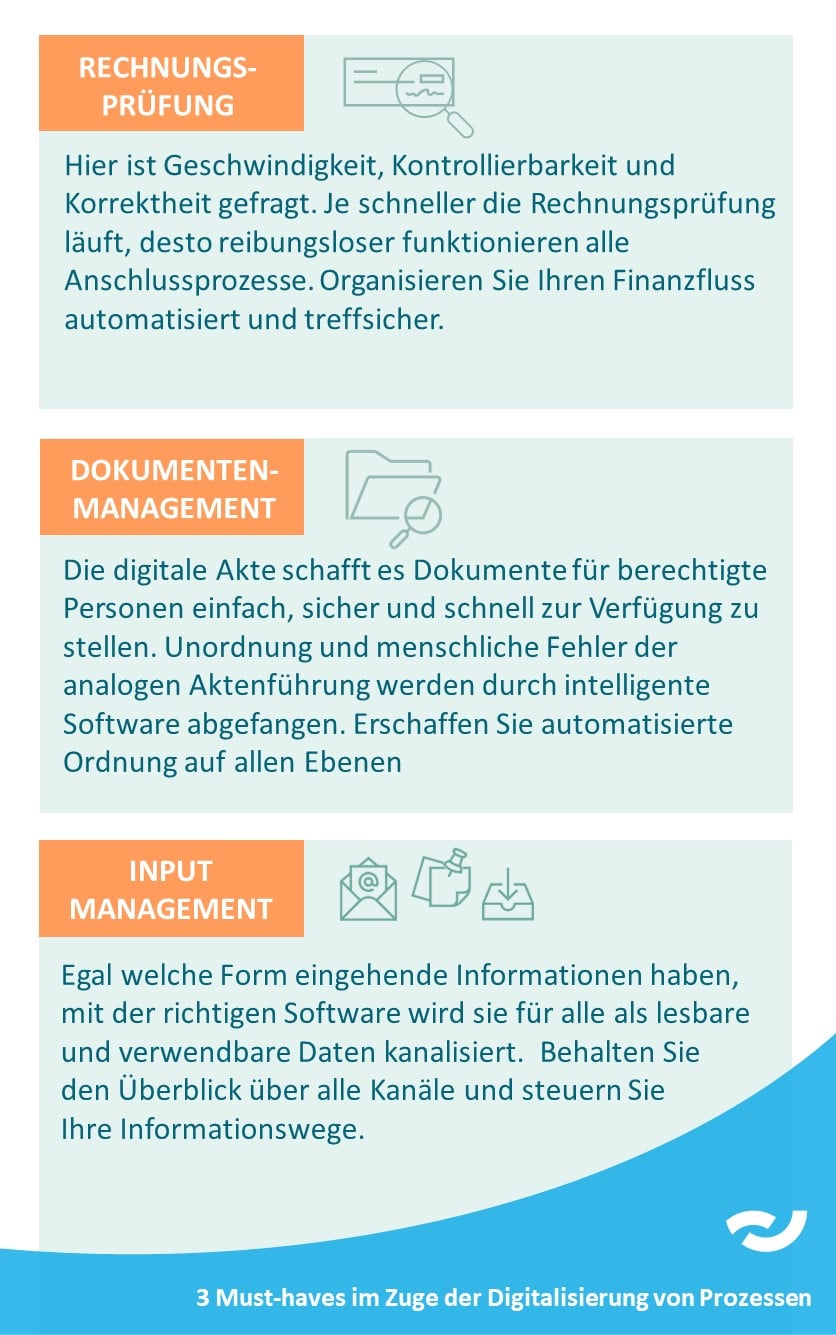
An overview of the three must-haves for process digitization
Here you can see all three processes again, along with a brief description.
Digitalization is not a solo effort
Finding the right path is difficult. Too many resolutions at once promise little progress. The golden mean is a balanced focus on what is needed now and what will be needed in the future. The right thing to do is not to remain inactive. Digitalization is never complete, but you should know where you stand and set ambitious goals.
We are happy to provide you with information, individual measures, and a complete strategy package without obligation.

Cihan Klingsporn
Senior Account & Marketing Manager
Business Process Automation
cihan.klingsporn@isr.de
+49(0)151 422 05 471